How Do I Add Chemicals to the Pool?
Maintaining water balance is crucial for keeping your swimming pool healthy. If you're confused by the cocktail of chemicals needed for your pool, this quick chemical overview will help you understand the most commonly used pool chemicals and their roles in pool maintenance.
Adding pool chemicals to your pool can be quite tricky. Just follow the steps below, and you'll be able to get it right every time!
Adding Pool Chemicals: Step-by-Step Instructions
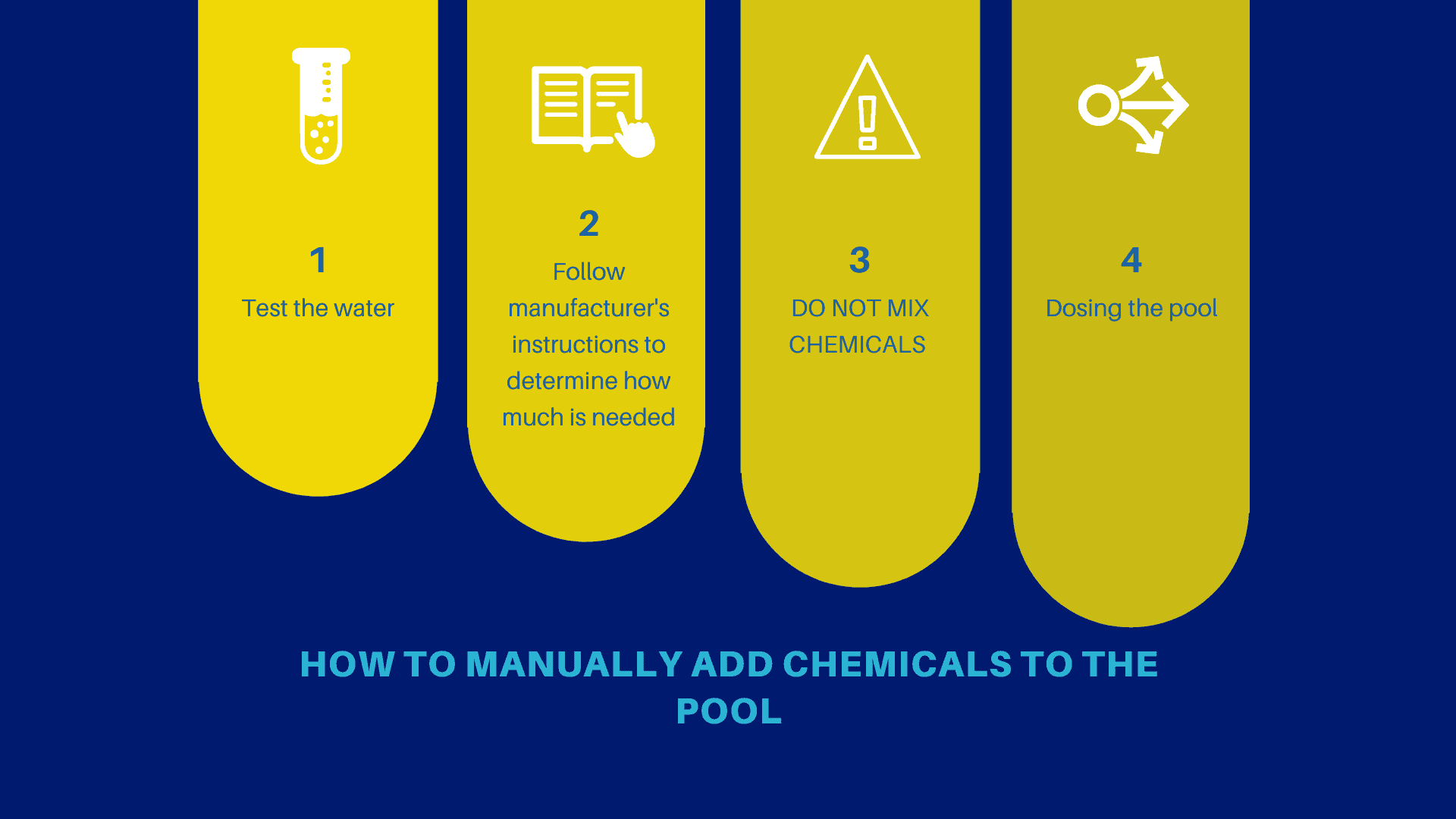
Test the water
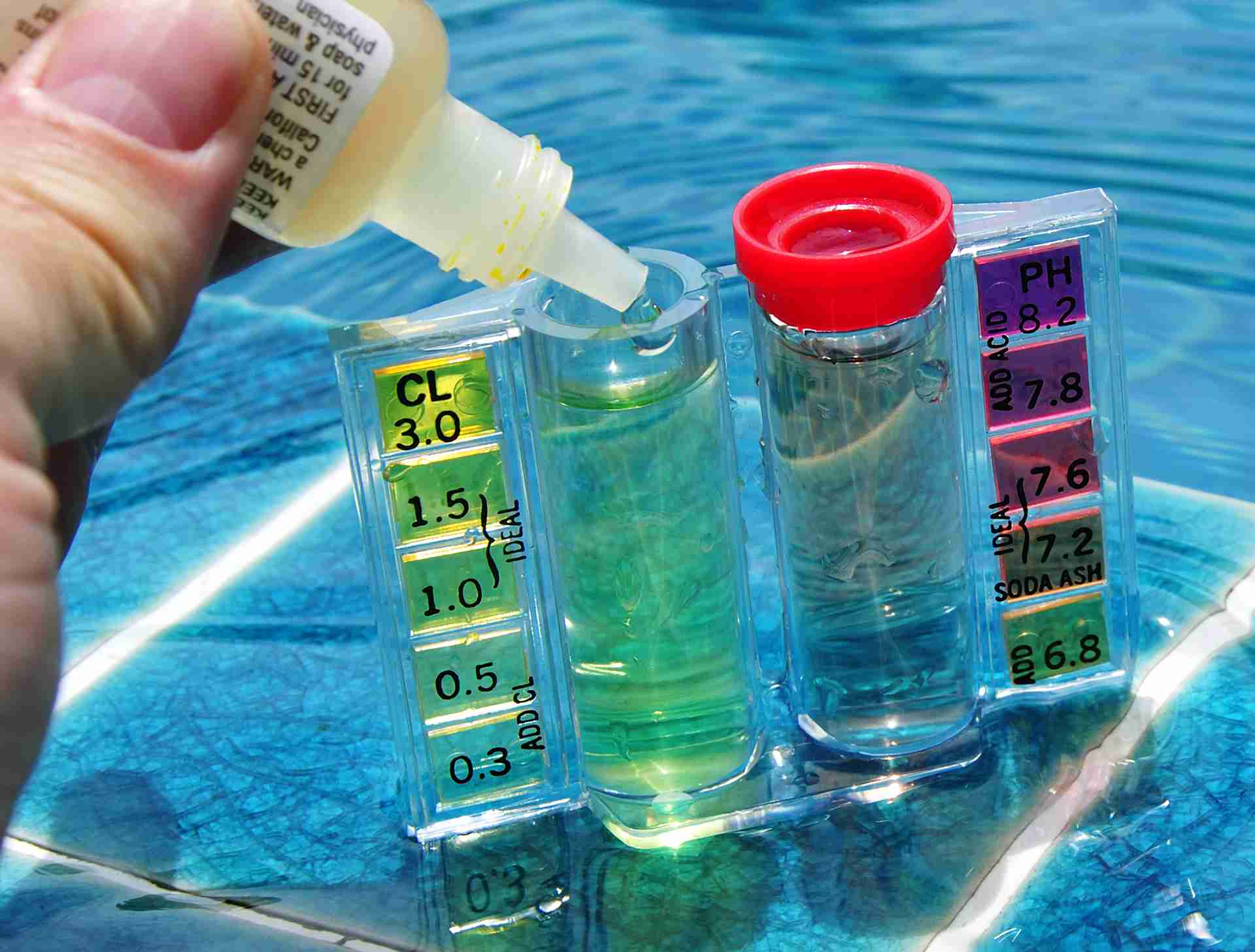
Regularly testing your pool water is essential to knowing exactly how much product to add. Under or over-dosing your pool can lead to problems that could take a long time to fix. Most pool stores offer free water testing to diagnose your pool's health.
Follow the Manufacturer's Instructions
Remember safety first. Read the label on the packaging to ensure you have the right protective equipment, such as gloves and eyewear, and avoid inhaling dust or fumes. The label will also provide instructions on what to do in case of skin or eye contact. Check the chemical dosage chart to determine the correct amount needed. Add chemicals while the pump and filter are running for best results.
Do Not Mix Chemicals
Never mix different chemicals together in the same bucket, as it can lead to dangerous reactions. Instead, dissolve each chemical separately in a clean bucket with a large amount of tap or pool water unless otherwise advised.
Dosing the Pool
After dissolving the chemicals, distribute them evenly around the pool, avoiding the skimmer box and metal fittings. Keep the pump and filter running for 4-6 hours to help disperse the chemicals. Avoid swimming within 24 hours of adding start-up chemicals and salt.
Adding Chlorine to Your Pool
For those specifically interested in how to add chlorine to a pool, follow these additional steps:
Test your chlorine levels to determine how much chlorine is needed.
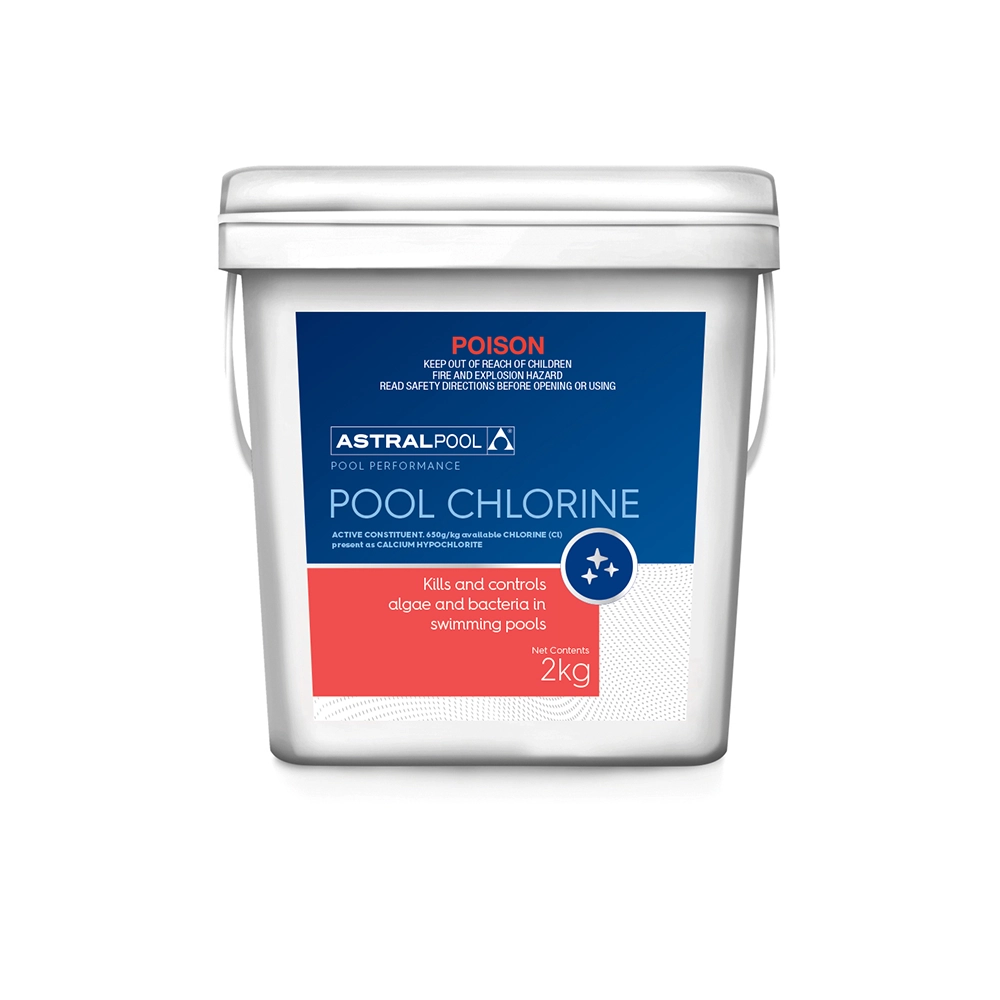
Use either granular chlorine or chlorine tablets. Dissolve granular chlorine in a bucket of water before adding it to the pool. For tablets, use a floating dispenser or place them in the skimmer basket.
Spread the dissolved chlorine solution or place the tablets around the pool evenly.
Run the pool pump and filter for several hours to circulate the chlorine.
Using Automatic Chemical Dosers
Automatic dosers add liquid chlorine or acid to your pool from storage containers throughout the day as your filter pump runs. This helps maintain balanced water chemistry without manual addition. Remember to top up the containers when they get low and calibrate the sensors regularly. It's still essential to test your pool water periodically to check for other chemical needs.
Maintaining Optimal Chemical Levels
To keep your pool safe and healthy, maintain the following chemical levels:
1. pH 7.2 – 7.8 (Ideal 7.4)
2. Total Alkalinity (TA) 100 – 200ppm (Ideal 120)
3. Calcium Hardness (CH) 200 – 300ppm (Ideal 250)
4. Free Chlorine 2 – 3ppm
5. Cyanuric Acid (CYA) 30 – 50ppm
These levels can change quickly, especially after rain, so keep an eye on your water balance. For professional assistance, use our Dealer Locator to find a local expert.
Bottom Line
Adding chemicals to your pool doesn't have to be daunting. Following these steps and regularly testing your water ensures your pool remains clean, safe, and enjoyable.
Similar Guides

Safely Storing Pool Chemicals
If stocking up on chemicals, it's important to know how to store them safely.
Pool Chemicals Overview
Get to know the most frequently used pool chemicals and their functions.