How to Drain and Clean a Pool?
Draining a swimming pool isn't as simple as pulling the plug—it requires careful planning to avoid damage, environmental harm, and legal issues. Whether you need to clean your pool surface, perform repairs, or remove excessive chemicals, following the correct procedure will help you drain and refill your pool efficiently.
Important: Before draining your pool, check local regulations in your area. In many parts of Australia, pool water must be dechlorinated before disposal to prevent environmental damage.
When Should You Drain a Pool?
Draining a pool isn’t something you should do frequently. However, it may be necessary in the following cases:
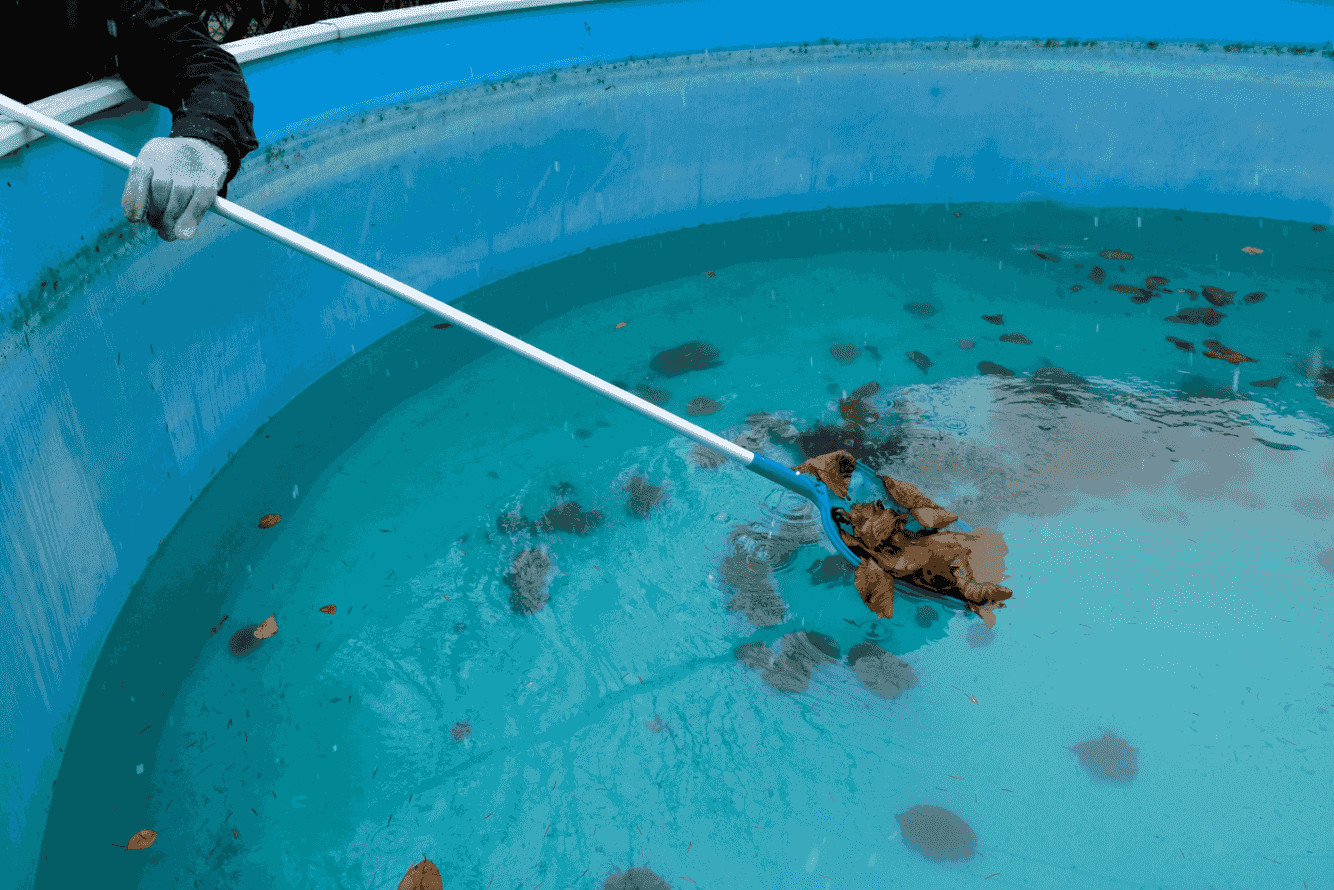
Severe algae infestations – If algae keep returning despite treatment, draining and cleaning may be required.
Excessive chemical buildup – If stabiliser (Cyanuric Acid) or Total Dissolved Solids (TDS) levels are too high, draining and refilling is the only fix.
Structural repairs – Pool resurfacing, tile replacement, or crack repairs often require an empty pool.
Acid washing – If your pool walls have persistent stains, an acid wash can restore them—but requires full drainage first.
Important Considerations Before Draining a Pool
Before draining, keep these factors in mind:
Where will the water go? – In Australia, it’s illegal to drain chlorinated pool water into storm drains. Contact your local council for advice.
Monitor the weather – Draining a pool during heavy rain or drought conditions can cause structural issues.
Let chemicals dissipate – Reduce chlorine and stabiliser levels before draining to comply with local wastewater regulations.
Turn off automatic timers & pumps – To prevent dry running, which can damage pool equipment.
Step-by-Step: How to Drain & Clean a Pool
In any case, we recommend contacting a local pool professional for help. However, you can drain and clean your pool by following these steps:
Step 1: Gather Your Equipment
Rent or Buy a submersible sump pump.
Discharge hose (long enough to reach your sewer draining point).
Hose & scrub brush for cleaning pool walls.
Step 2: Turn Off Pool Equipment
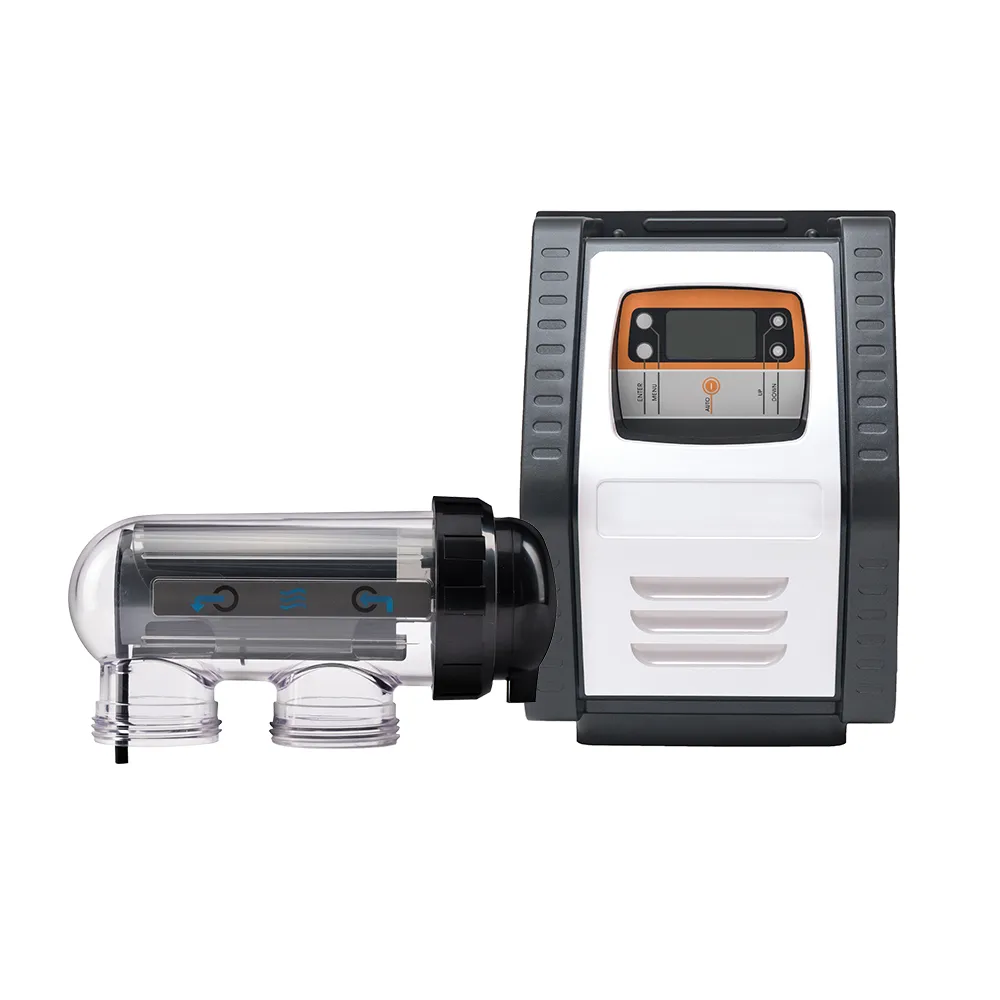
Shut down the pool pump, heater, chlorinator, and any automated systems before draining.
Step 3: Set Up the Drainage System
1. Position the submersible pump at the deepest part of the pool. 2. Connect a discharge hose to a legal drainage point. 3. Plug in the pump and start draining.
Warning: Never leave a draining pool unattended. Sudden rain can cause hydrostatic pressure to lift the pool out of the ground if not drained properly.
Step 4: Clean the Pool Surface
While draining, scrub the walls and floor with a pool brush to remove algae, calcium deposits, and dirt buildup. For stubborn stains: Consider an acid wash (only recommended for concrete pools—avoid for vinyl & fibreglass pools).
Step 5: Remove Remaining Water
Once the pump can no longer drain water: - Use a bucket or wet/dry vacuum to remove the last few centimetres. - Blast any remaining debris with a garden hose.
Step 6: Inspect & Perform Maintenance
Before refilling, inspect for cracks, damaged tiles, or worn-out pool linings and perform necessary repairs.
Step 7: Refill the Pool
1. Place a garden hose at the deepest end and begin refilling. 2. Add a metal sequestrant to prevent staining from dissolved metals. 3. Monitor the water level (do not overfill!).
Step 8: Restart Pool Equipment
- Turn on the pool pump and let the system run for at least 24 hours. - Rebalance chemicals (pH 7.2–7.6, Free Chlorine 1–3 ppm).
Step 9: Run a robotic pool cleaner to remove any lingering debris.
Draining and cleaning a pool requires careful planning to protect your pool surface, plumbing, and the environment. By following the correct steps, you can safely empty, clean, and refill your pool while avoiding costly damage.